
Growing into adulthood is an important stage of life for every young person. For young adults with learning disabilities, the journey towards independence may take more time, guidance and repeated practice. However, with the right support and opportunities, many can learn useful life skills that help them become more confident, responsible and independent in their daily lives.
At Ray Of Hope, we believe that every person has the ability to grow. Progress may happen at a different pace for each individual, but every new skill can make a meaningful difference. Learning how to prepare food, manage money, communicate needs or complete household tasks can help a young adult take greater control of daily life and prepare for the future.
1. Personal Care and Hygiene
Personal care is one of the most important areas of independence. Young adults can learn how to brush their teeth, take a shower, wash their hair, use deodorant, choose clean clothes and maintain a neat appearance. These are basic routines, but they can greatly improve self-confidence and personal dignity.
Some young adults may need reminders or visual instructions at the beginning. Over time, repeated practice can help them complete more of these tasks independently. The goal is not always immediate independence, but steady improvement in their ability to care for themselves.
2. Preparing Simple Meals and Drinks
Preparing food is another valuable life skill. Young adults can start by learning simple tasks such as making a sandwich, preparing cereal, washing fruit, making a drink or helping with basic food preparation. As they become more confident, they may be able to follow simple recipes and prepare complete meals with less support.
Kitchen activities also teach many other useful skills, including following instructions, measuring ingredients, working safely and cleaning up after a task. These experiences can also be helpful for young adults who may later be interested in food preparation, baking or hospitality work.
3. Cleaning and Household Responsibilities
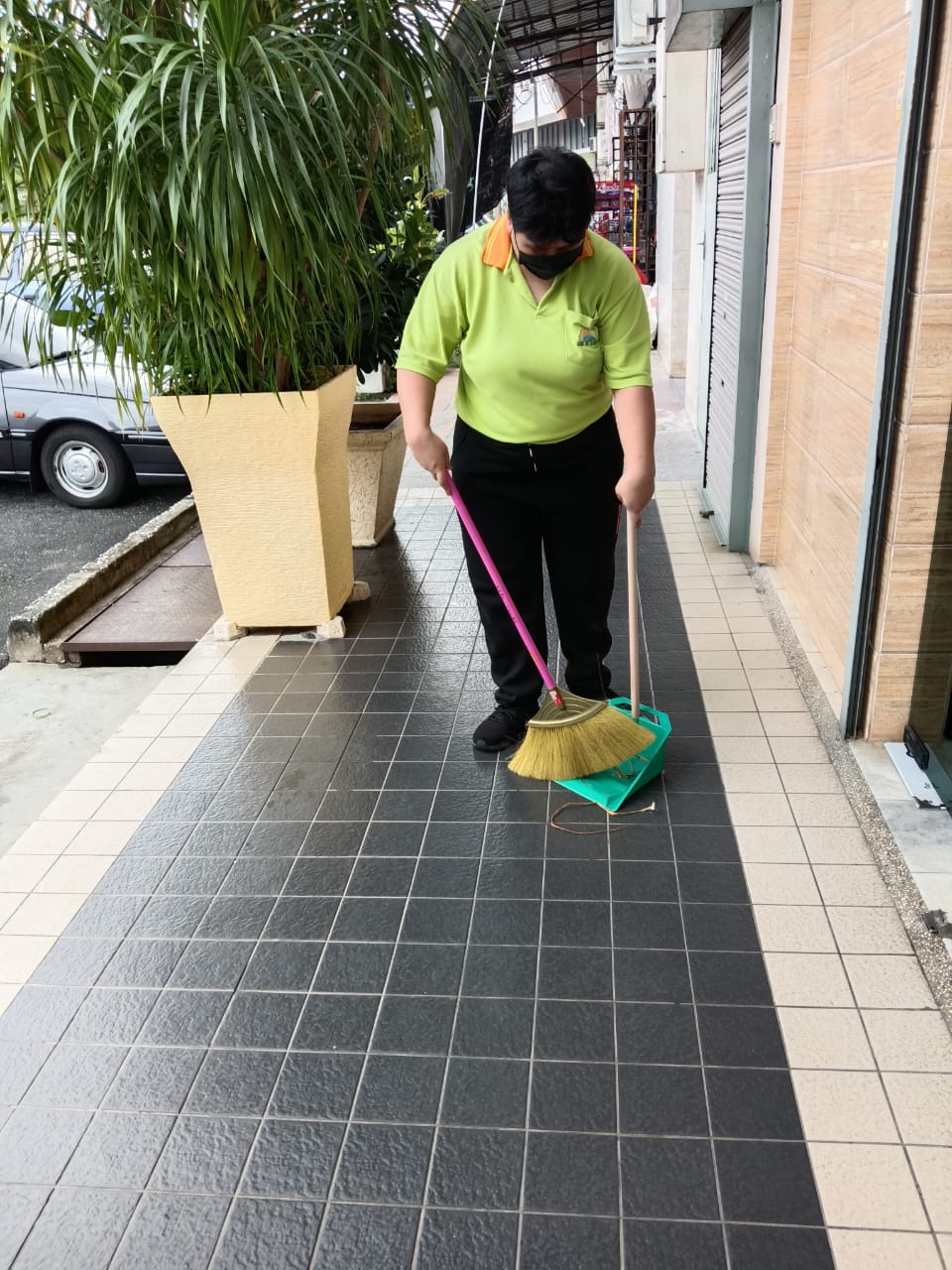
Learning to take care of the home helps young adults understand responsibility. Simple tasks such as sweeping, wiping tables, washing dishes, folding clothes, making the bed and taking out rubbish are important skills that can be taught gradually.
Giving a young adult regular household responsibilities also helps them understand that they are an important member of the family. Parents and caregivers should try to give them enough time to complete tasks, even if it takes longer. Doing everything for them may be faster, but allowing them to try is an important part of learning.
4. Managing Money
Basic money skills are essential for daily life. Young adults can learn how to recognise notes and coins, understand prices, pay for small purchases and keep money safely in a wallet. They can also learn the difference between needs and wants, as well as the importance of saving.
Not every young adult will be able to manage money completely independently, but many can learn useful skills at their own level. Practical experiences, such as paying for an item at a shop or café, can make money lessons easier to understand.
5. Shopping Independently
Shopping is a practical activity that brings together several life skills. A young adult can learn how to prepare a simple shopping list, find items, choose the correct product, wait in line and pay at the counter.
It is often helpful to begin with a familiar shop and one or two simple items. As confidence increases, the young adult can take on more responsibility. Real-life practice is often one of the most effective ways to build independence.
6. Communication Skills
Communication is an important part of everyday life. Young adults need to be able to express their needs, make choices, ask for help and communicate when they are uncomfortable or unsure.
Not everyone communicates in the same way. Some people may speak clearly, while others may use short sentences, pictures, gestures or other communication methods. What matters is that the person has a reliable way to express themselves and understand others.
Good communication skills can also help young adults build relationships, participate in community activities and prepare for the workplace.
7. Social Skills
Social skills help young adults interact with other people in a respectful and comfortable way. These may include greeting others, taking turns, waiting patiently, respecting personal space, joining group activities and understanding simple social rules.
Learning social skills takes time and practice. Mistakes should be treated as learning opportunities rather than failures. With patient guidance, many young adults can become more confident in social situations and develop stronger relationships with the people around them.
8. Time and Routine Management
Following a routine can help young adults feel more organised and secure. They can learn to understand daily schedules, prepare for activities, arrive on time and complete tasks in the correct order.
Tools such as calendars, picture schedules, phone alarms and simple checklists can be very helpful. These skills are also important for employment because workplaces depend on punctuality, routine and the ability to complete tasks within a certain time.
9. Personal and Community Safety
Safety skills are an important part of independence. Young adults should learn how to recognise danger, cross roads safely, ask for help and understand what to do in an emergency.
Depending on the person’s ability, they may also learn their home address, an emergency contact number and basic rules about strangers, internet safety and the safe use of household equipment.
Safety lessons should be repeated regularly and, where possible, practised in real situations. This helps young adults understand how to respond when they are outside the home or in unfamiliar places.
10. Workplace Skills
Many young adults with learning disabilities can learn skills that prepare them for employment or supported work. These include following instructions, arriving on time, staying focused, completing tasks, asking for help and working cooperatively with others.
Practical training can also help young adults discover their strengths and interests. Some may enjoy cooking or baking, while others may be better suited to gardening, cleaning, packing, organising products or administrative tasks.
The focus should not only be on what a person finds difficult. It is equally important to identify what they can do well and what they may be able to learn with proper training.
Building Independence One Step at a Time
Independence does not happen overnight. Some young adults may need to practise the same skill many times before they feel confident. Progress can be slow, but even small improvements are meaningful.
A young adult who once needed full support to prepare a drink may later be able to do it independently. Someone who was once nervous about buying something at a shop may eventually be able to complete the purchase with confidence.
These achievements may appear small to others, but they can represent major steps forward for the individual and their family.
Giving Every Young Adult the Opportunity to Grow
One of the most important things families, educators and communities can do is give young adults the opportunity to try. Support should be available when needed, but they should also be encouraged to take responsibility and practise new skills.
At Ray Of Hope, we believe that every person deserves the opportunity to learn, contribute and become as independent as possible. Through practical training, encouragement and real-life experiences, young adults with learning disabilities can continue to develop important skills for adulthood.
Every new skill can bring greater confidence, dignity and independence. Most importantly, it can help a young adult recognise that they are capable of contributing meaningfully to their family and community.

0 Comments