
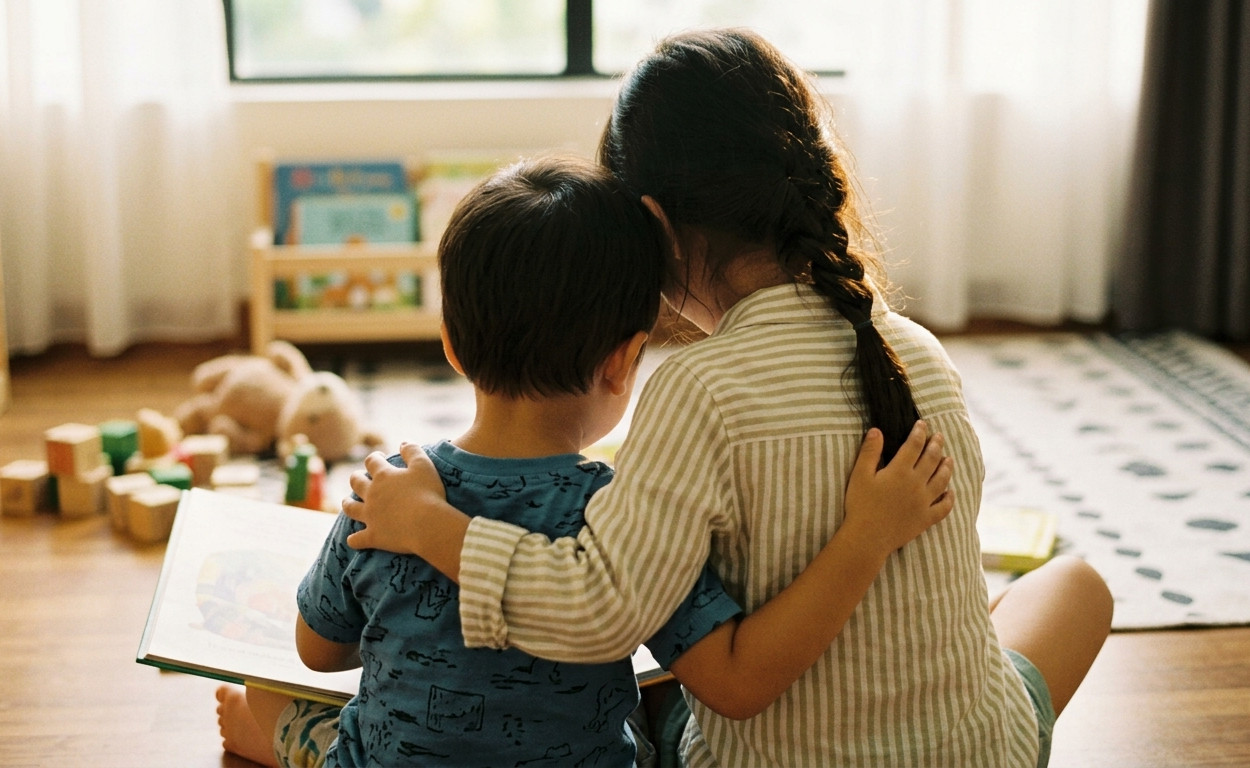
In most families, the bond between brothers and sisters is the longest relationship they will ever have. It starts in the playroom and lasts all the way into old age. But when one child in the family has a learning difficulty—like Autism, Down Syndrome, or ADHD—that relationship looks a little bit different.
Often, we focus all our energy and resources on the child who needs extra help. This is natural. However, there is another person in the house who is growing up alongside them, watching and learning. These are the siblings. Sometimes they are called “Glass Children.” This doesn’t mean they are fragile; it means that people often look right through them to focus on the child with the disability. Today, we want to talk about these unsung heroes and how we can support them.
Growing Up Fast Siblings of children with special needs often grow up a lot faster than their friends. From a young age, they might help their parents with therapy routines, or they might be the ones who calm their brother down during a meltdown in public.
This creates a child who is incredibly kind and patient. They learn early on that the world isn’t always fair, and that everyone moves at their own pace. They become natural “protectors.” If you see a student standing up for someone being teased on the playground, there is a good chance that student has a sibling with a learning difficulty at home.
The Weight of Being the “Typical” One While these siblings are often very mature, they also face unique struggles that they might not talk about.
- The Pressure to be Perfect: Because they see how much their parents are struggling, they often try to be the “perfect” child. They don’t want to cause any more trouble or stress, so they keep their own problems hidden.
- Feeling Left Out: It is hard for a child to understand why Mom and Dad spend five hours a week at therapy with their brother, but can’t make it to their football match. They can feel like their needs are less important.
- Worrying about the Future: Even young children think about what will happen when their parents grow old. They often feel a silent responsibility that they will be the ones taking care of their sibling for the rest of their lives.
How We Can Lift Them Up At Ray of Hope, we see the whole family as a team. Supporting a sibling doesn’t require a lot of money or professional training; it just requires time and noticing them.
One of the best things a parent can do is “Special Time.” This is just 15 or 20 minutes a week where the focus is 100% on the sibling. Let them choose the activity—even if it’s just getting an ice cream or playing a quick video game. This tells them, “You are a priority too.”
We also need to let them be kids. It is okay for them to feel frustrated or even embarrassed sometimes. Letting them express those feelings without getting angry at them helps them process the “big” emotions of their life. When we support the siblings, we are making the whole family stronger. They aren’t just “the brother” or “the sister”—they are amazing individuals with their own dreams, and they deserve to be seen.

0 Comments